Capacity-buiding: AVecGen Empowers CRID Researchers Through International Training
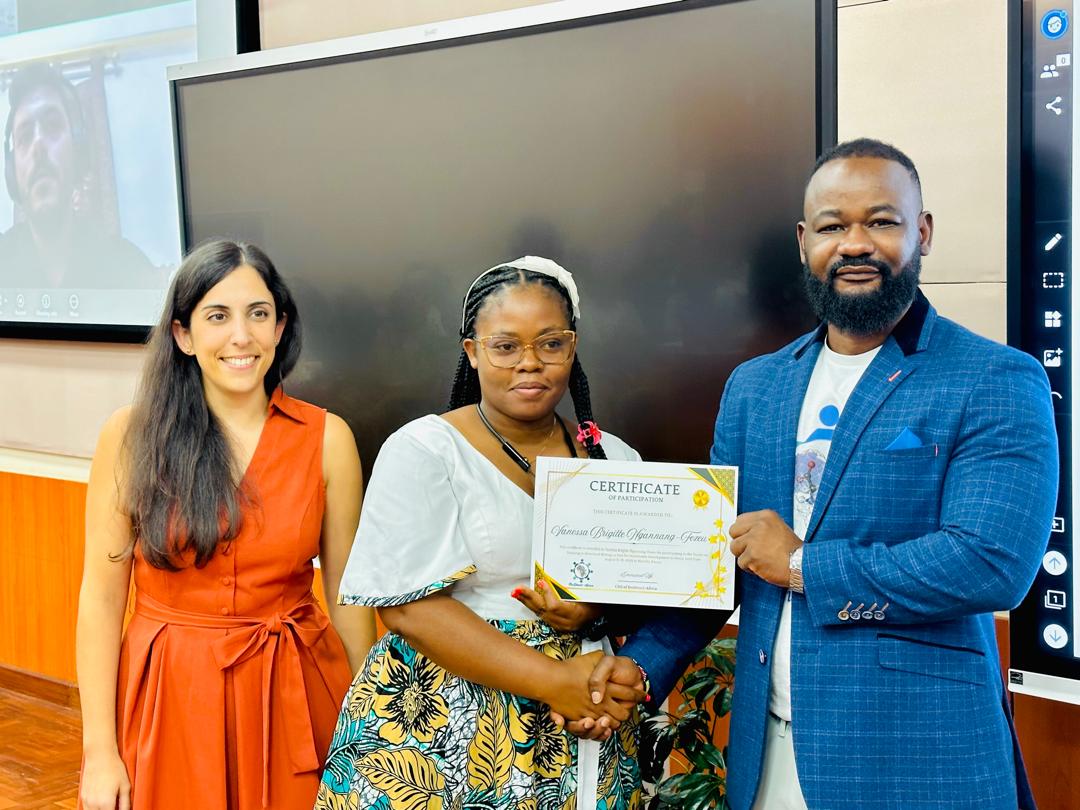
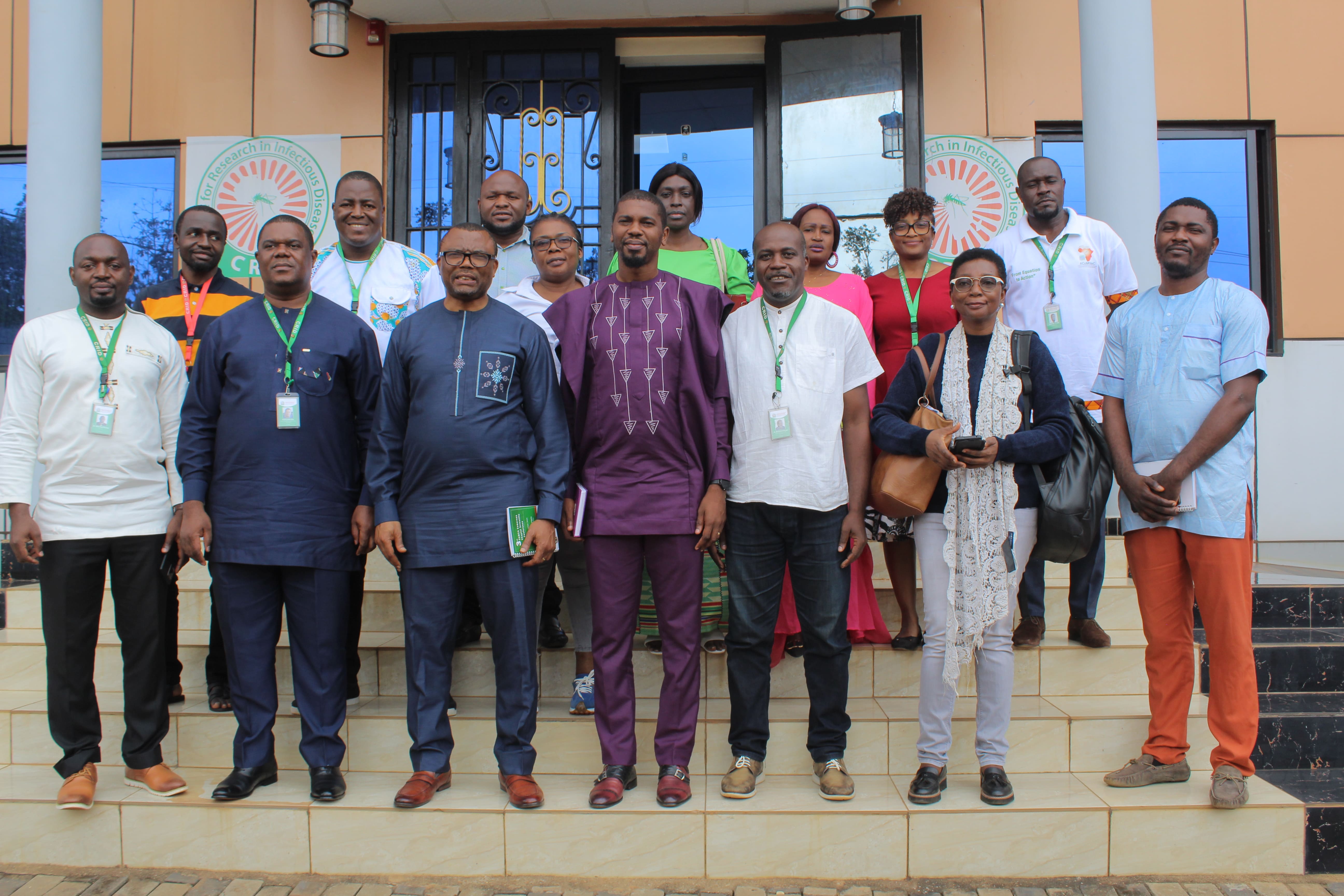
As part of its broader mission to advance malaria vector research in Africa, the African Centre for Vector Genomics (AVecGen) project gave the opportunity to some researchers to gain expertise abroad, inorder to implement new skills locally.
Main image © Image Credit
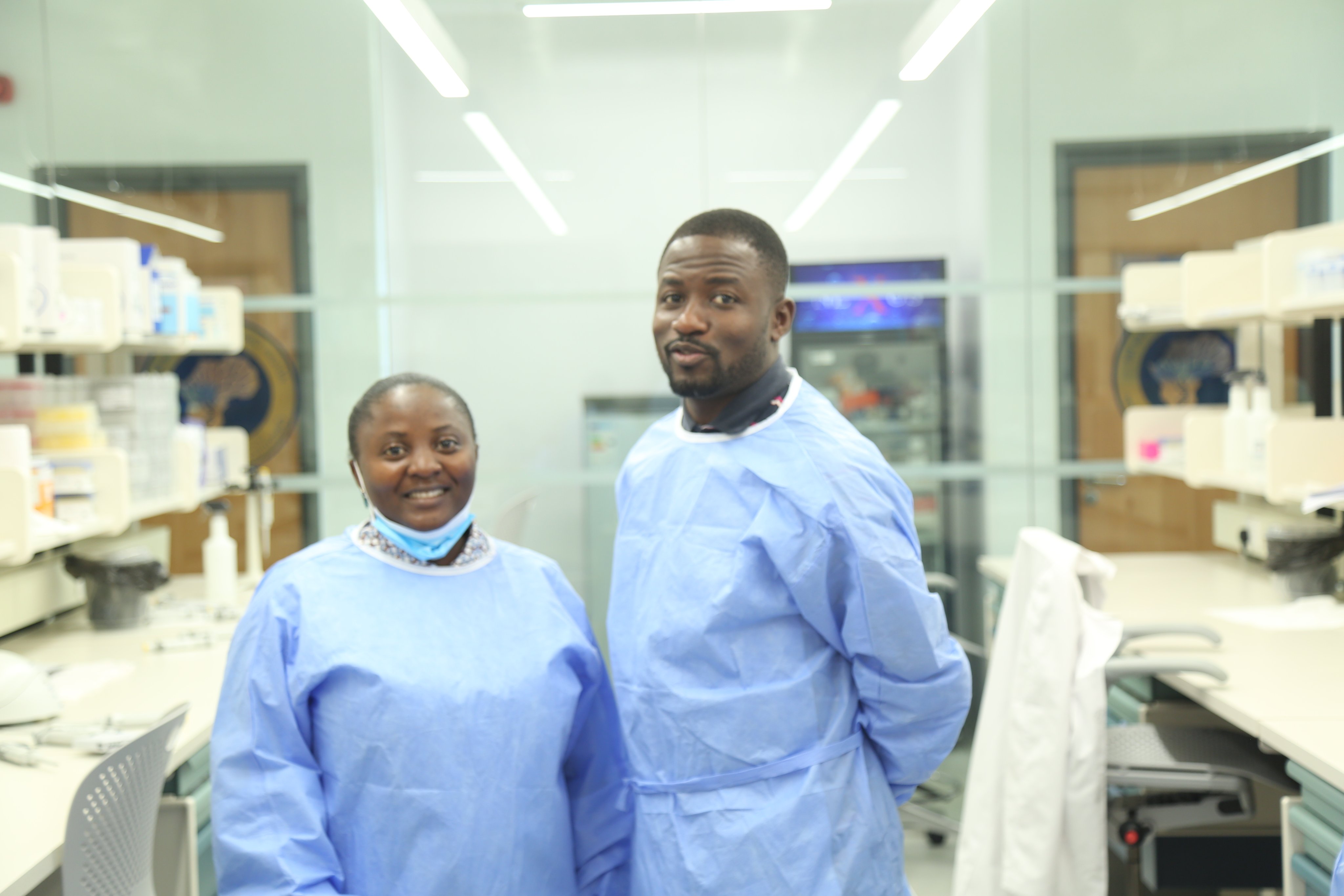
As part of its broader mission to advance malaria vector research in Africa, the African Centre for Vector Genomics (AVecGen) project gave the opportunity to some researchers to gain expertise abroad, inorder to implement new skills locally. From May to July 2025, Nelly Tatchou, Research Assistant at CRID, underwent specialized training at the Liverpool School of Tropical Medicine (LSTM) in the UK. Under the mentorship of Dr. Abdullahi Muhammad in the Wondji research group, Nelly gained practical skills in: Expression, purification, and characterization of candidate insecticide resistance genes; Insecticide metabolism assays to assess the role of enzymes in resistance; Operation and maintenance of High-Performance Liquid Chromatography (HPLC) for insecticide detection.
She also received hands-on training in CRISPR-Cas gene editing from the Nolan research group, equipping her to study gene function and apply genome editing techniques in vector genomics. These skills will be instrumental in establishing a functional genomics platform at CRID for validating and characterizing resistance-associated genes and variants.
NGS Training at IGH, Nigeria
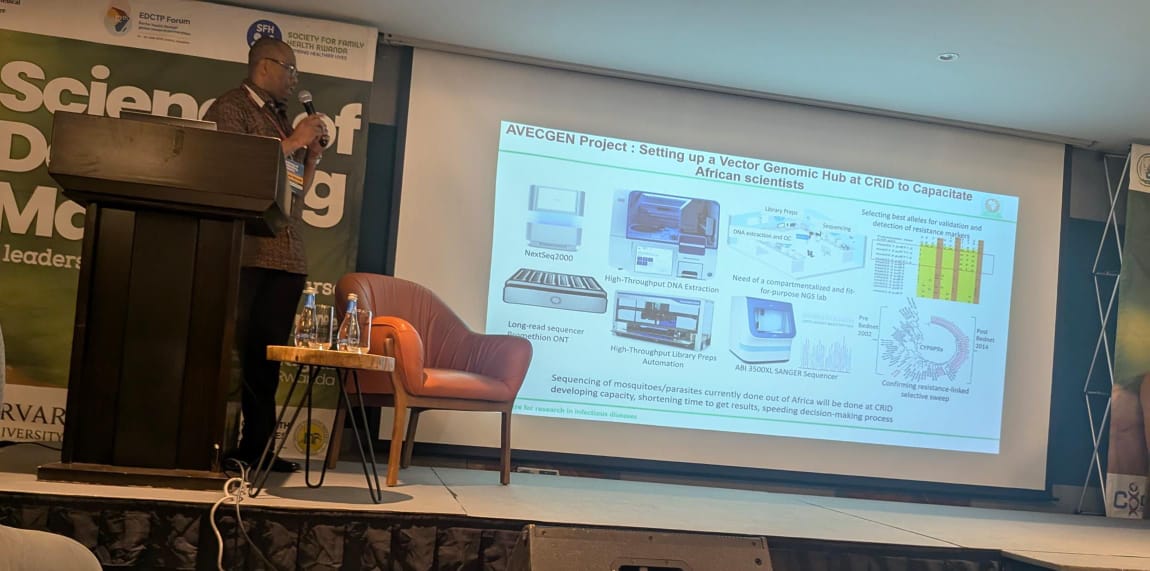
In parallel, from June 23 to July 19, 2025, Dr. Estelle Mewamba, Post-doctoral Researcher, and Bertrand Mbakam, Research Assistant, participated in a one-month training at the Institute of Genomics and Global Health (IGH) in Ede, Nigeria. Under the supervision of Prof. Christian Happi, and guided by Dr. Olusola Ogunsanya and Mrs. Philomena Eromon, the CRID team acquired expertise in Next-Generation Sequencing (NGS) technologies and Long-read sequencing using Oxford Nanopore Technologies. This training supports the setup of a comprehensive NGS platform at CRID, integrating both Illumina and Oxford Nanopore systems. The platform will enable the detection and validation of structural variants linked to insecticide resistance in malaria vectors.
These capacity-building efforts are part of AVecGen’s commitment to democratizing access to genomic tools and decentralizing scientific expertise across the continent. Alongside infrastructure development, data generation, and collaborative research, AVecGen’s training programs ensure that African scientists are equipped to lead innovative, locally driven solutions for malaria control. With the support of LSTM, MalariaGEN, and IGH, AVecGen continues to lay the groundwork for a sustainable and impactful future in vector genomics—empowering researchers and transforming malaria research across Africa