AVecGen Empowers Scientists with Advanced Functional Genomics Training
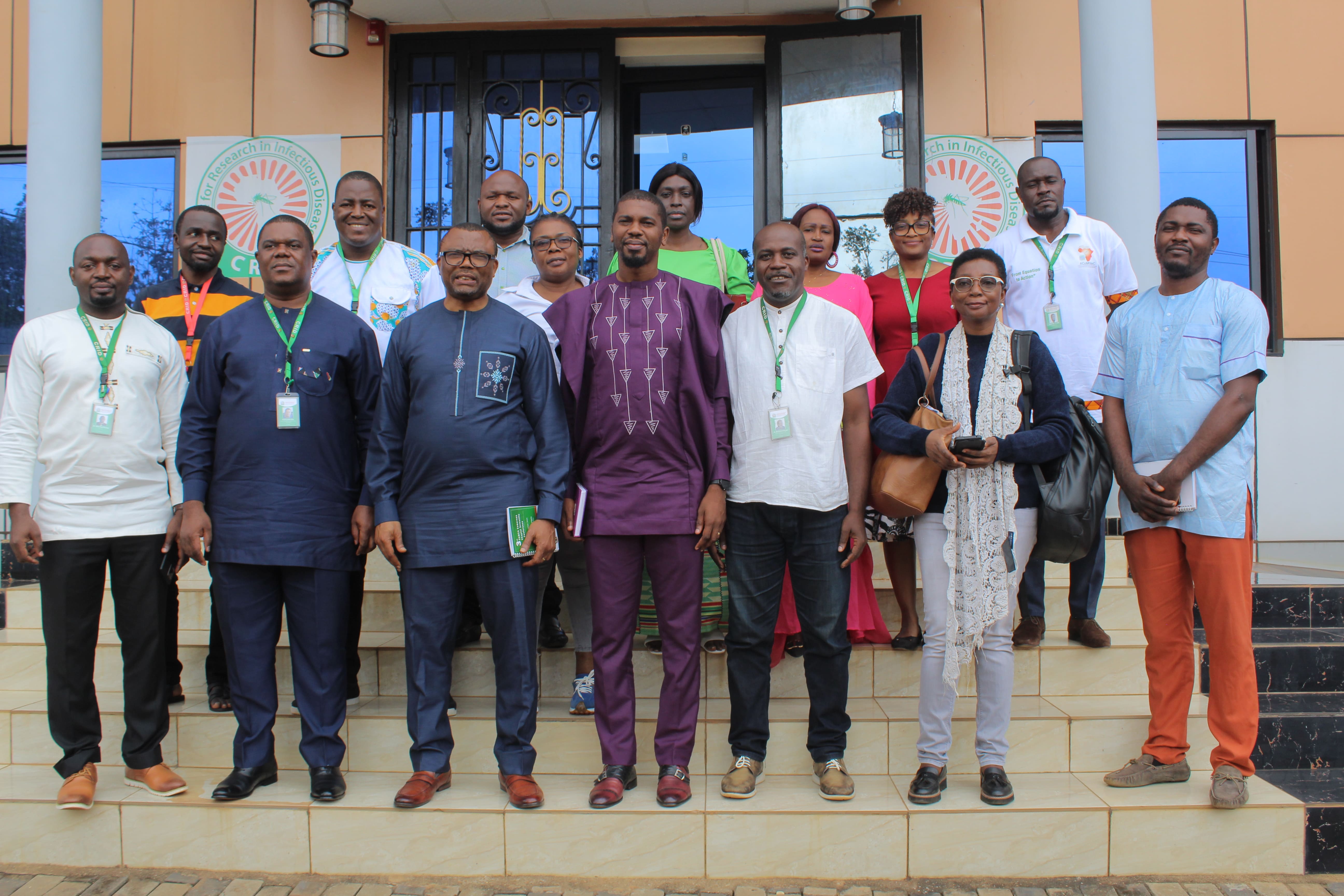
From March 24 to 28, 2025, the Centre for Research in Infectious Diseases (CRID) hosted a dynamic in-house workshop aimed at strengthening the skills of its staff in functional genomics—a cutting-edge field that explores how genes work and interact.
Main image © Image Credit
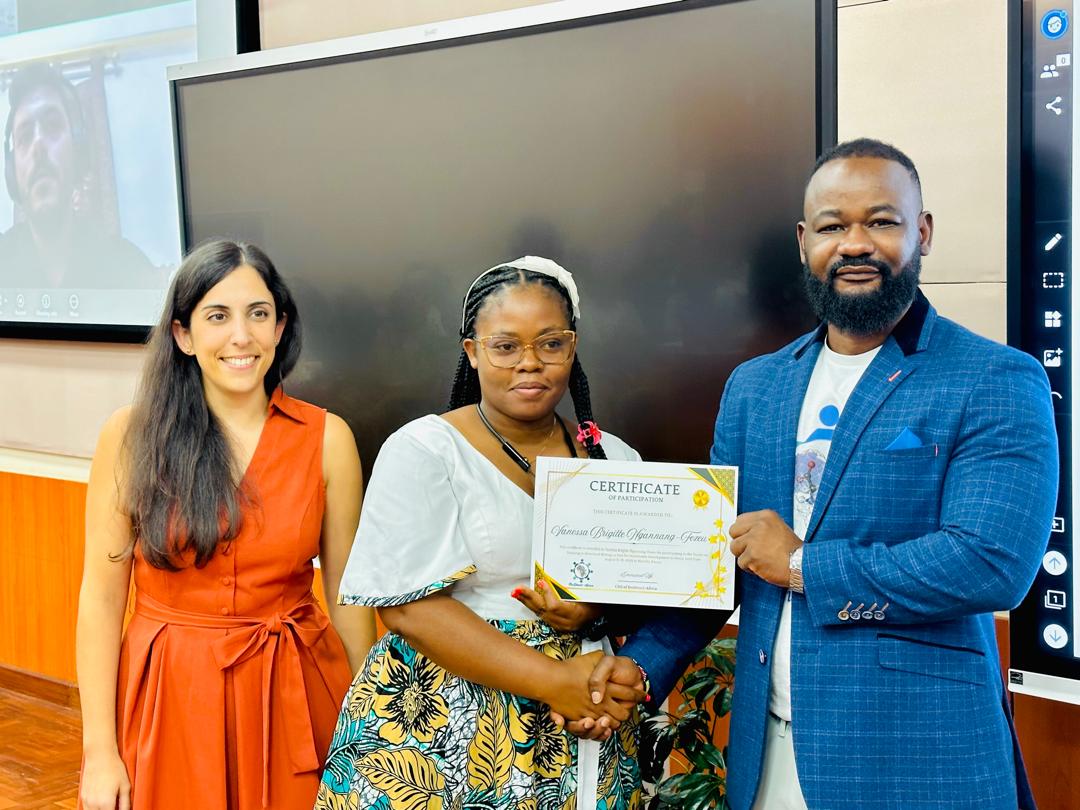
From March 24 to 28, 2025, the Centre for Research in Infectious Diseases (CRID) hosted a dynamic in-house workshop aimed at strengthening the skills of its staff in functional genomics—a cutting-edge field that explores how genes work and interact. This training was part of the African Centre for Vector Genomics (AVecGen) project, under the theme “Making functional genomic techniques accessible to African scientists.”
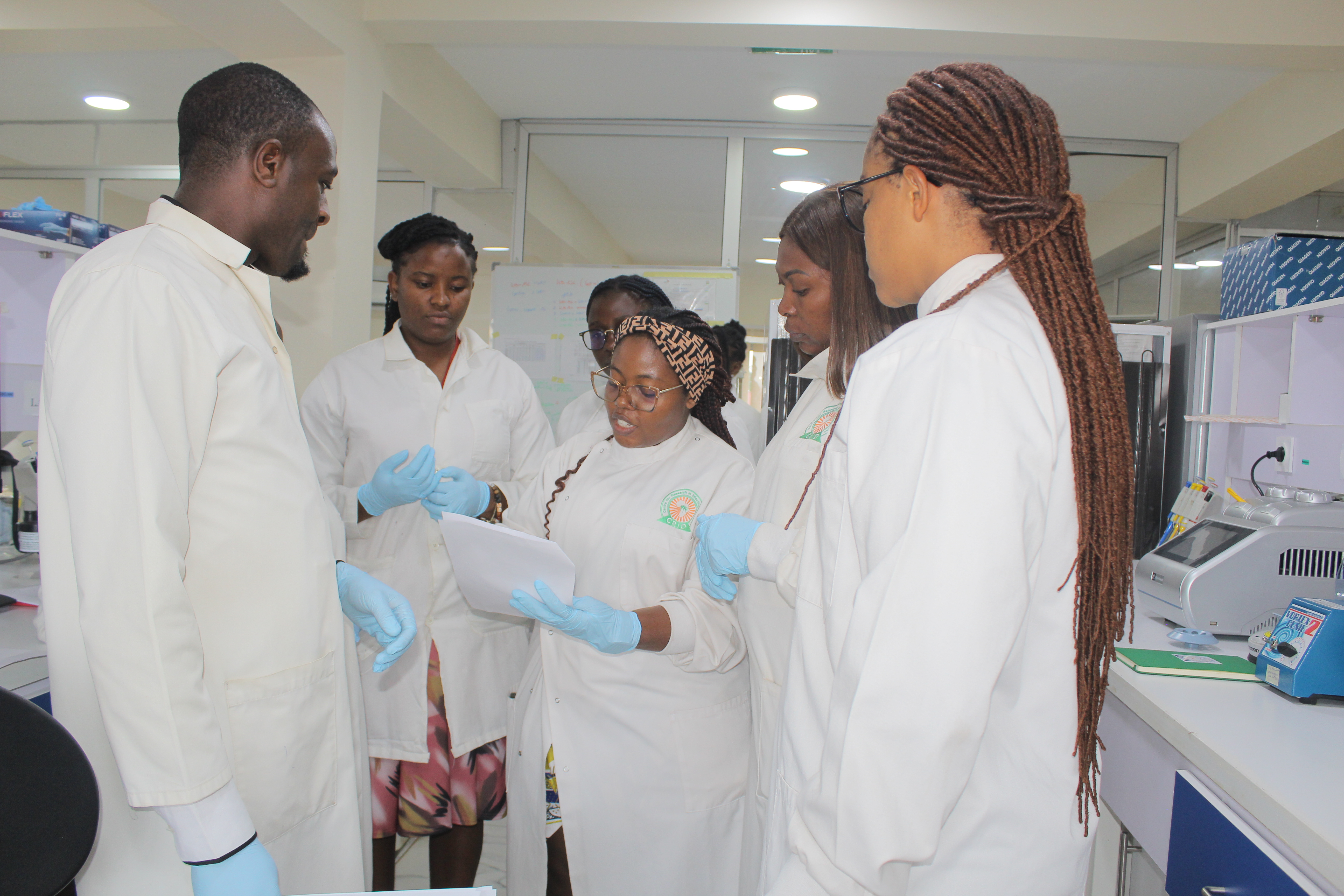
The five-day workshop brought together 15 participants, including Ph.D. students, research assistants, and postdoctoral researchers. The goal was to equip them with both theoretical knowledge and practical skills in functional genomics and systems biology, essential tools for understanding disease vectors like mosquitoes and publishing in high-impact scientific journals.
Participants explored a wide range of modules, including:
- DNA cloning techniques
- The GAL4-UAS system in transgenic fruit flies
- Recombinant protein expression
- Metabolism assays
- RNA interference (RNAi) for gene silencing
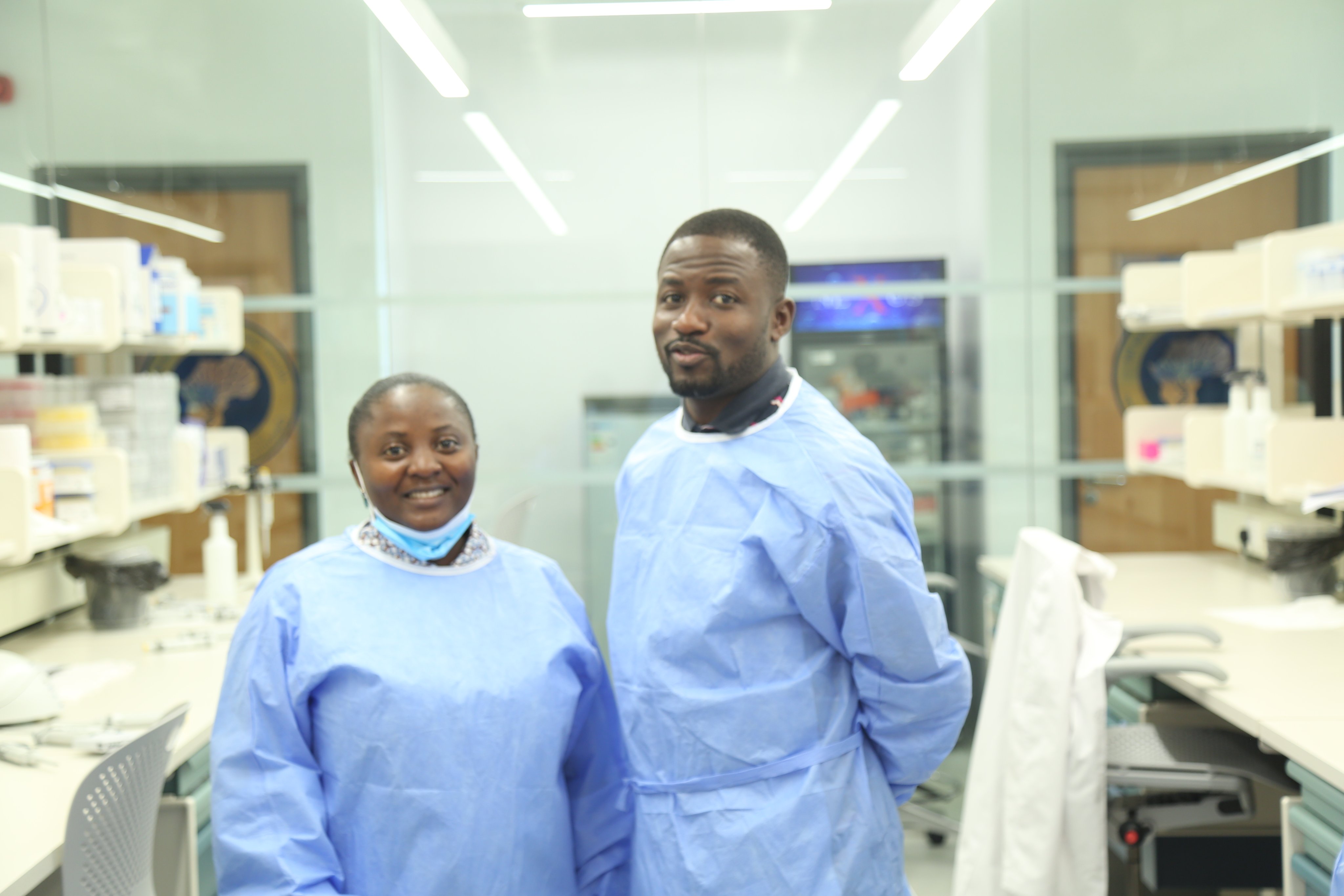
Hands-on sessions allowed trainees to inject mosquitoes, culture bacteria, and analyze DNA polymorphisms using specialized software like DnaSP and TCS Beautifier. They also learned to visualize data using GraphPad Prism and identify genetic traits in fruit flies—skills that are vital for functional validation of genes.
A highlight of the workshop was the introduction to CRISPR-Cas9 gene editing, facilitated by Theofelix Tekoh, a Ph.D. student at CRID who trained at the Harvard School of Public Health. His session offered participants a rare opportunity to learn from global expertise brought home.
Other facilitators included Carlos Djoko, Vanessa Ngannang, Nelly Tatchou, Dr. Mersimine Kouamo, and Dr. Abdullahi Muhammad, all of whom contributed to the rich learning experience.
By the end of the week, participants felt empowered and inspired. Fleuriane Djondji, a Research assistant, shared: “One of the most fascinating aspects was learning how to clone genes and express them in bacteria for functional studies.” Similarly, Michel Deukam, a Ph.D. student, said: “The training gave me a solid understanding of techniques like RNAi and CRISPR-Cas9, which are crucial for my research on insecticide resistance.”
This workshop marks another step forward in AVecGen’s mission to build scientific capacity in Africa and support the fight against malaria and other vector-borne diseases.